Personalized women’s care in South Miami Call our office   (305) 661-7760
Gynecology

Endometriosis Resection

Endometriosis Treatment in Miami, FL

What is Endometriosis?

Endometriosis is a condition that occurs in women when the inner uterus lining starts to grow outside of the uterus, often behind the uterus, on the bowels, or on the bladder. Endometriosis is most commonly diagnosed among women in their 30s and 40s, but the onset of the condition typically starts during the reproductive years.

South Florida Women’s Care provides testing and treatment for endometriosis at our women’s health clinic in Miami, FL. We are conveniently located near Baptist Hospital of Miami and are a short drive from The University of Miami. Whether you are experiencing symptoms of an STD or are sexually active and in need of a routine check, it is important you schedule an appointment with South Florida Women’s Care. Call us at (305) 661-7766 or schedule your appointment online today!

Endometriosis Resection Surgery

Learn about endometriosis surgery and understand your options

Myomectomy Surgery

Learn about fibroid removal surgery (myomectomy) and understand your options

Take care of you

Endometriosis occurs when tissue that lines the uterus (endometrium) migrates outside the uterus, usually to the area around your reproductive organs, including the ovaries or fallopian tubes. Many women with endometriosis have no symptoms. Although for some women, endometrial tissue patches may swell and bleed with their menstrual cycles, which can cause pain. Endometriosis symptoms may include chronic pelvic pain, heavy menstrual bleeding, pain during sex, pain with bowel movements or urination, and fertility issues.1 

To diagnose endometriosis, doctors may perform a pelvic exam. However, the only way your doctor can provide a definite endometriosis diagnosis is by performing surgery to locate endometrial patches outside the uterus. Rather than put you through multiple surgeries, your surgeon may remove any endometriosis patches he or she finds while performing diagnostic endometriosis surgery.2

Understanding your options

Your doctor may recommend medication, surgery or both for your endometriosis.1 If you and your doctor decide surgery is right for you, your surgeon will find and remove endometrial patches on and around your ovaries, fallopian tubes, bladder, intestines, and abdomen.

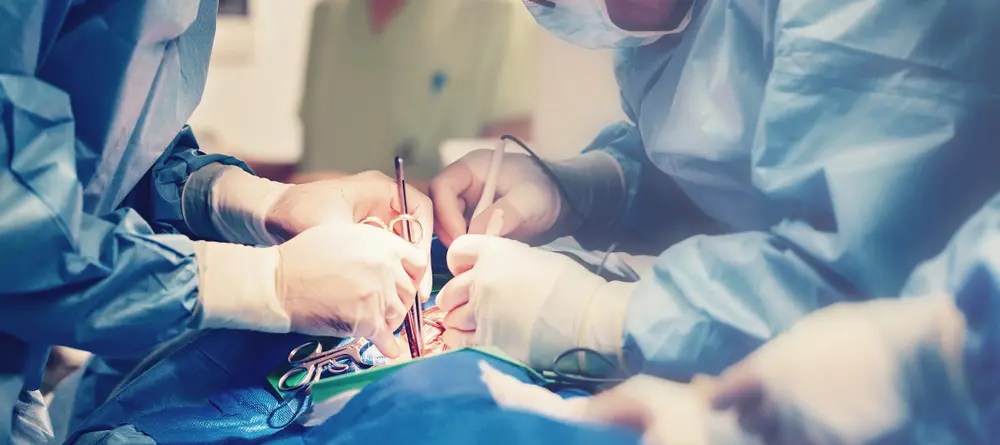
Surgeons can perform endometriosis surgery using traditional open surgery, which requires a long incision (cut) through your abdominal muscles, or through minimally invasive surgery.

There are two minimally invasive approaches: laparoscopic surgery and robotic-assisted surgery (possibly with da Vinci technology). Both are performed through a few small incisions in the abdomen. To perform a laparoscopic endometriosis procedure, surgeons use special long-handled tools while viewing magnified images from the laparoscope (camera) on a video screen.

How the da Vinci system works

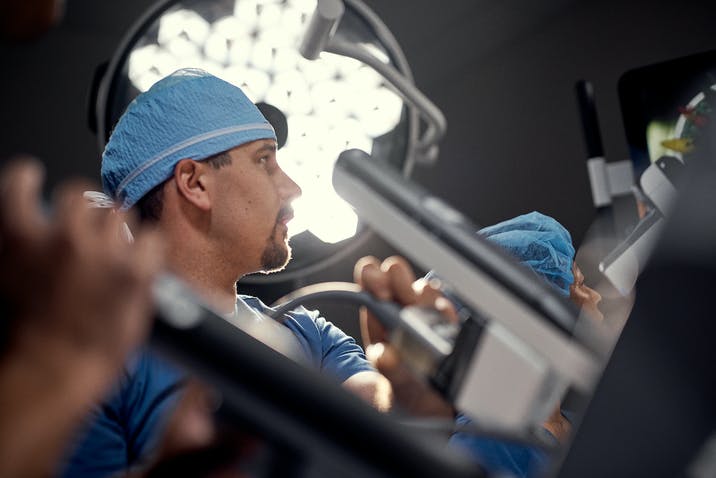
Surgeons can perform myomectomies using da Vinci technology. During robotic-assisted fibroid removal surgery with a da Vinci system, your surgeon sits at a console next to you and operates using tiny, fully wristed instruments.

A camera provides a high-definition, 3D magnified view inside your body. Every hand movement your surgeon makes is translated by the da Vinci system in real time to bend and rotate the instruments with precision.

It’s important to remember that Intuitive does not provide medical advice. After discussing all options with your doctor, only you and your doctor can determine whether surgery with a da Vinci system is appropriate for your situation. You should always ask your surgeon about his or her training, experience, and patient outcomes.

What are the outcomes of surgery with the da Vinci system?

Be sure to talk with your surgeon about the surgical outcomes he or she delivers by using the da Vinci system, as every surgeon’s experience is different. For example, ask about:

  • Length of hospital stay
  • Complication rate
  • Rate of returning to the hospital within 30 days of surgery
  • Reoperation rate
  • Transfusion and/or blood loss
  • Chance of changing to an open procedure
  • Length of operation
  • Mortality rate

There are additional outcomes of surgery that you may want to talk with your doctor about. Please ask him or her about all important outcomes of surgery. All surgery involves risk. You can read more about associated risks of myomectomy surgery here.

Questions you can ask your doctor

  • What options are available to address my uterine fibroids? Which is best for my situation?
  • What are the differences between open, vaginal, laparoscopic, and robotic-assisted surgery?
  • Should I get a second opinion?
  • What am I likely to experience after surgery?
  • If I decide to have surgery, how can I prepare for it?
  • Can you tell me about your training and experience using the da Vinci system?
  • How will I feel after surgery?

Resources for learning more

Myomectomy surgery brochure

Read this brochure to help enable a meaningful and informed conversation with your doctor about different options.

About your options

Gynecologic surgery with the da Vinci system

Gynecology surgeons use robotic-assisted surgery with da Vinci technology in many different types of procedures.

About the specialty

1. Uterine Fibroids. Frequently Asked Questions: Gynecologic Problems. The American College of Obstetricians and Gynecologists. Web. 14 May 2020
2. Health Topics: Uterine Fibroids. Office on Women’s Health. U.S Department of Health & Human Services. Web. 14 May 2020 

Disclosures and Important Safety Information

Surgical Risks

Risks associated with myomectomy (removal of fibroid tumors) include tear or hole in uterus, split or bursting of the uterus, pre-term (early) birth, spontaneous abortion. Uterine tissue may contain unsuspected cancer. The cutting or morcellation of uterine or fibroid tissue during surgery may spread cancer, and decrease the long-term survival of patients.

Important Safety Information

Patients should talk to their doctor to decide if da Vinci surgery is right for them. Patients and doctors should review all available information on non-surgical and surgical options and associated risks in order to make an informed decision.

Serious complications may occur in any surgery, including da Vinci surgery, up to and including death. Serious risks include, but are not limited to, injury to tissues and organs and conversion to other surgical techniques which could result in a longer operative time, and/or increased complications. For Important Safety Information, including surgical risks, indications, and considerations and contraindications for use, please also refer to www.intuitive.com/safety.

Individuals’ outcomes may depend on a number of factors, including but not limited to patient characteristics, disease characteristics and/or surgeon experience.

Da Vinci Xi System Precaution Statement

The demonstration of safety and effectiveness for the specific procedure(s) discussed in this material was based on evaluation of the device as a surgical tool and did not include evaluation of outcomes related to the treatment of cancer (overall survival, disease-free survival, local recurrence), or treatment of the patient’s underlying disease/condition. Device usage in all surgical procedures should be guided by the clinical judgment of an adequately trained surgeon.

Medical Advice and Locating a Doctor

Patients should talk to their doctor to decide if da Vinci surgery is right for them. Other options may be available and appropriate. Only a doctor can determine whether da Vinci surgery is appropriate for a patient’s situation. Patients and doctors should review all available information on both non-surgical and surgical options in order to make an informed decision.

Surgeons who utilize the da Vinci system can be found using the Surgeon Locator. Intuitive Surgical only provides surgeons with training on the use of the da Vinci system but does not certify, credential, or qualify the surgeons listed in the Surgeon Locator.

Product names are trademarks or registered trademarks of Intuitive Surgical or their respective owners. See www.intuitive.com/trademarks.

Powered by Encounter CSS ™ | Terms of Use
Schedule an Endometriosis Appointment Today

If you are experiencing symptoms of uterine fibroids, it is important that you receive a proper diagnosis and treatment plan. At South Florida Women’s Care our gynecologist will take the time to answer any questions to discover if a myomectomy is right for you. For more information about your available treatment options, contact our office in Miami, FL at (305) 661-7766 and schedule an appointment today!

Personal care starts with a conversation

Let’s talk about
what matters to you.

Schedule time with our team to discuss your questions and explore your options.

Book an Appointment Or call (305) 661-7760